
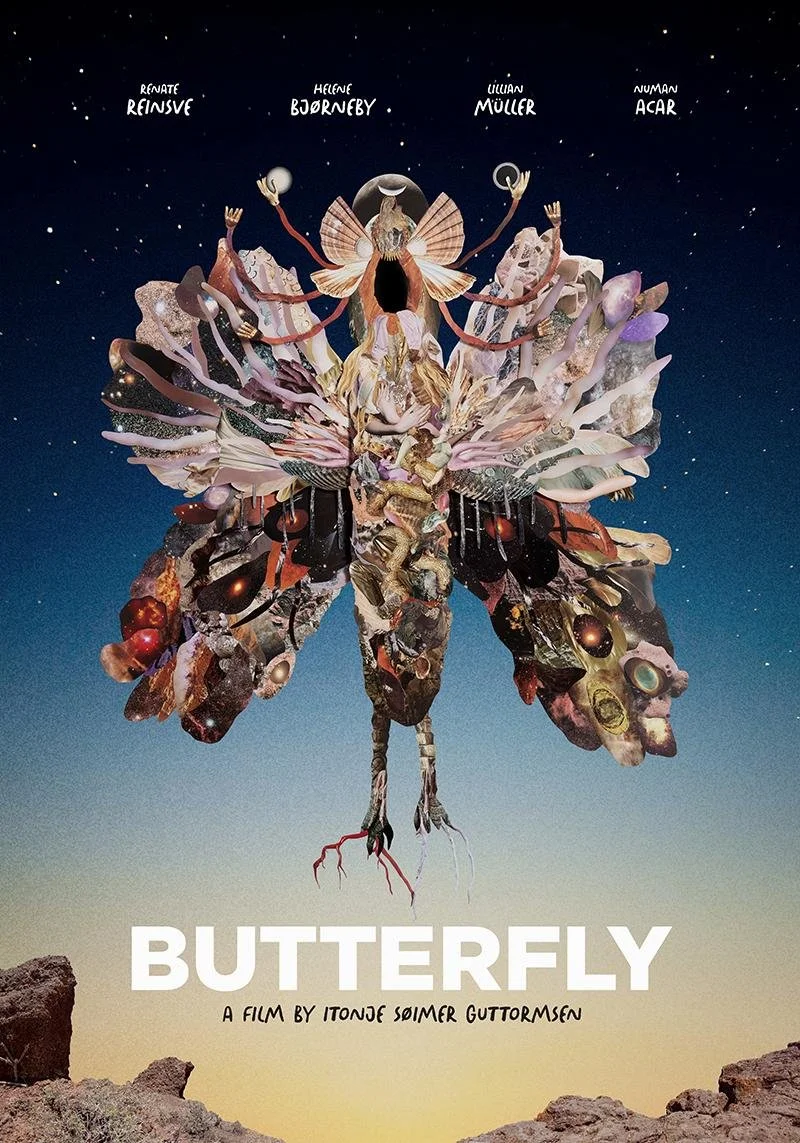
Opening film: BUTTERFLY
Harstad Kino, screen 1.
BUTTERFLY opens the Arctic Moving Image & Film Festival (AMIFF) 2026. Director Itonje Sømner Guttormsen will be in conversation with head of Kabelvåg School of Moving Image, UiT Arctic University of Norway, Katja Jacobsen. The conversation will be in Norwegain. The film will have english subtitles.

The opening speech will be held by Tone Elvebakk. Elvebakk works as a museum consultant at the Várdobáiki Sami Centre, and works to promote Sami history, language and culture
ABOUT THE FILM
“An unforgettable holiday in the sun” – Bergens Tidende 6
“Perhaps the most interesting Norwegian film of the year” – VG 5
“Wild, touching, and highly original” – Cinema 5
“Renate Reinsve shines” – Aftenposten 5
“A powerful, vibrant, and rich experience” – P4 5
“Fresh and engaging” – NRK 5
“A delightful witches’ brew; Reinsve and Bjørneby are absolutely brilliant” – Klassekampen 5
“A humorous and visual masterpiece” – TBA 9/10
Half-sisters Lily (Renate Reinsve) and Diana (Helene Bjørneby) reluctantly return to Gran Canaria, where their mother died under mysterious circumstances. When the sisters discover that their mother had been living a completely secret life, they embark on a journey following in her wild footsteps. We are taken on a trip from the tourist-heavy hubs to the hidden heart of Gran Canaria—an alternative universe tucked away in the Canary Islands’ mountains.
Butterfly introduces us to a world rich in color, rituals, and emotion, captivating the audience with a tone that is both humorous and deeply moving. It is a life-affirming and original cinematic experience, featuring Reinsve and Bjørneby as the sisters, Lillian Müller as their mother, and Numan Acar as her much younger lover. The film was shot on location, exploring both the “Norwegian” side of Gran Canaria and settings largely unknown to most Norwegians. A reviewer at tbatba.no writes:
- Itonje Søimer Guttormsen must be one of Norway’s absolute funniest filmmakers. Butterfly is a humorous and visual masterpiece that takes its characters and setting with the utmost seriousness. Butterfly vibrates with creative energy, originality, and sublime cinematic craftsmanship. Without a doubt, one of the top recommendations of the film year. Rating: 9/10
WINNER OF THE CRITICS’ AWARD AT THE HAUGESUND FILM FESTIVAL:
- This year’s Film Critics’ Award honors one of Norway’s most distinctive and original filmmakers, and a film that is both exceptionally entertaining and deeply moving. With a striking visual style, the film explores a strong connection to place and landscape, as well as the complexities of human relationships. The performances are equally compelling, allowing each actor to showcase the full range of their abilities.
ABOUT THE DIRECTOR
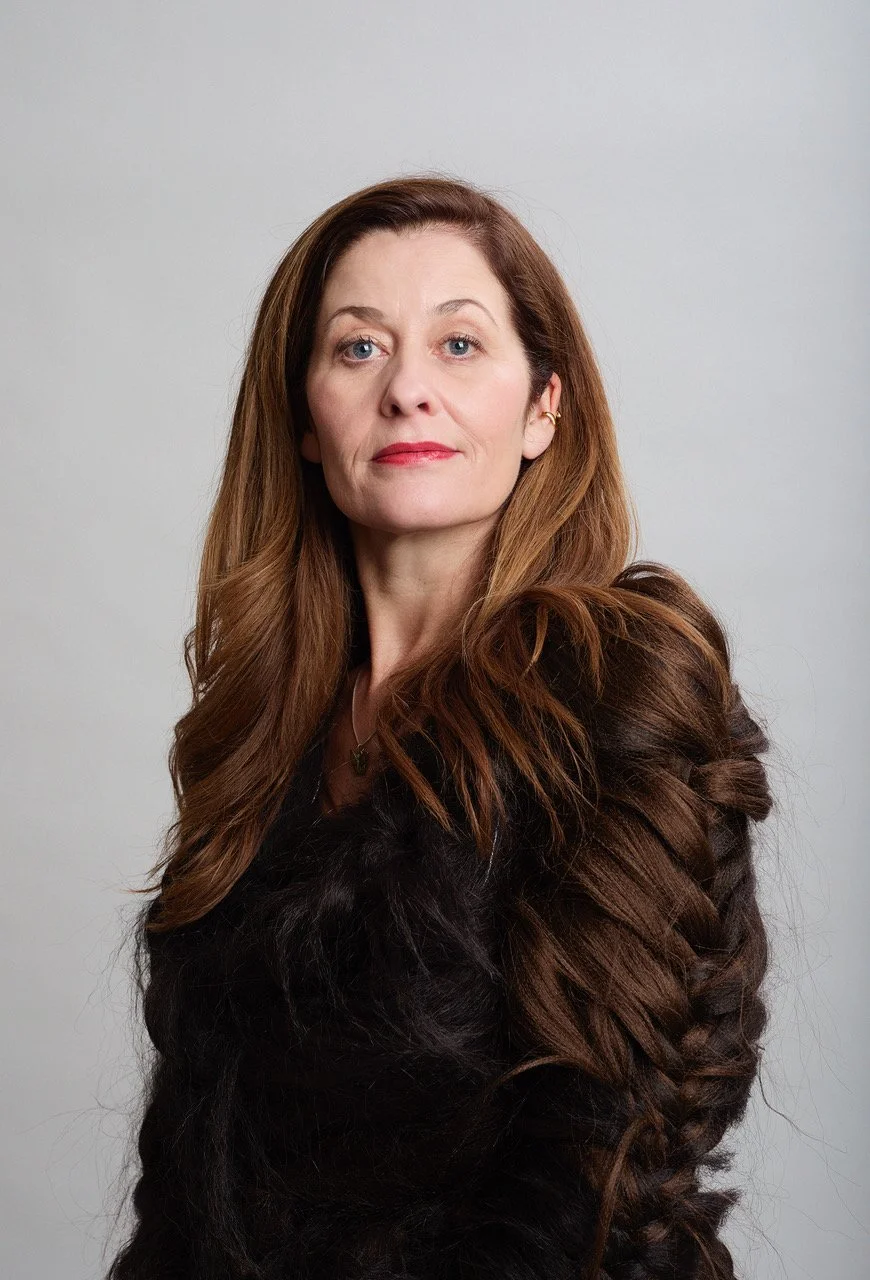
Itonje Søimer Guttormsen
Itonje Søimer Guttormsen (b. 1979) is a director and artist based in Oslo. She studied at the European Film College, the Norwegian Film School, and the Valand Academy in Sweden. Her short film Retrett (2016) won several international awards, while her feature film debut, Gritt (2021), premiered in the Tiger Competition in Rotterdam and was acquired for global distribution by MUBI. Her latest film, Butterfly (2026), premiered in Rotterdam and was selected for the Nordic Competition at the Göteborg Film Festival.
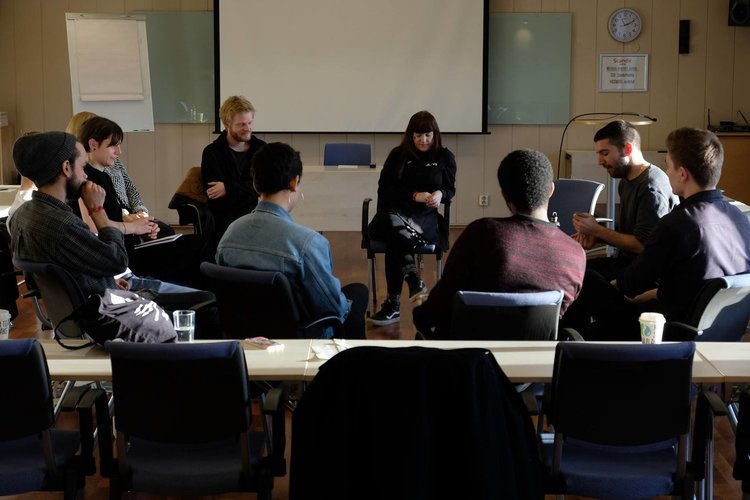
Two Day Morning Seminar
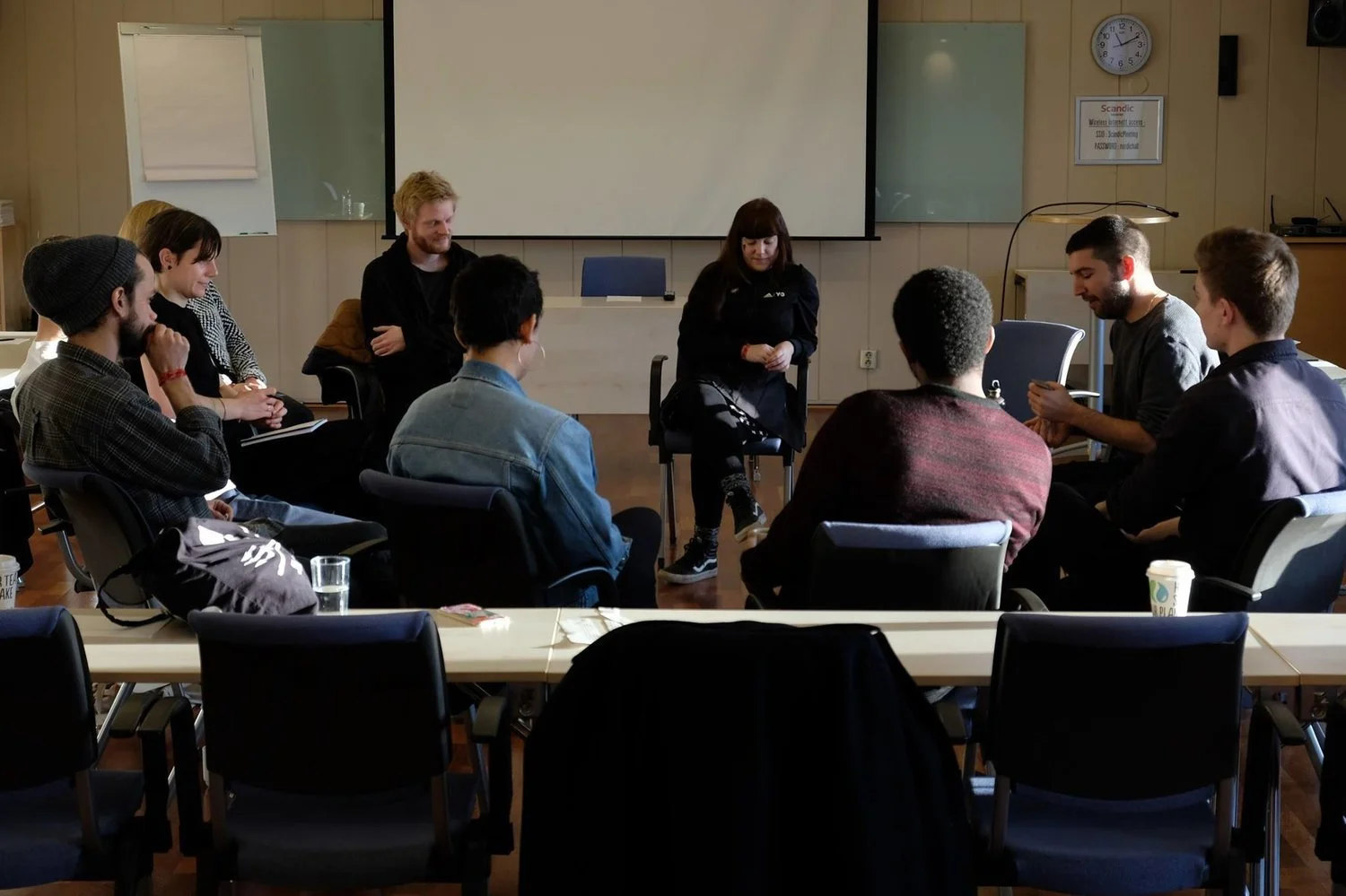
Friday November 20th: 9:30 - 11:30am
Saturday November 21st: 9:30 - 11:30am
Venue: Castello Festivalsenter
The seminar will be in English if there are persons attending who cannot speak Norwegian.
Silja Espolin Johnson is a film curator and Head of Kunstnernes Hus Kino in Oslo. She will host a three-day seminar during AMIFF 2026. The seminar will be structured around informal and open conversations inspired by this year's program and the festival title SOUNDS FROM THE NEIGHBOURS. During the seminar, you will be invited to actively engage in group discussions on selected works and themes. You will meet some of the visiting artists, filmmakers and curators, and gain inspiration for further studies.
The seminar has two sessions spread over two mornings (Friday to Saturday), with at least one guest who contributed to this year’s program invited to each session. In addition to discussions on specific works, we will explore and learn more about curatorial challenges, as well as the possibilities and challenges of the festival format. Participants can suggest topics and help shape the direction of the mornings. You are welcome to share reflections on your own work during the open conversations. Seminar participants will receive some reference material one week before the festival. No prior knowledge is required.
The seminar is aimed at artists, filmmakers, curators, writers, researchers, students, and others working with moving images. However, if you are simply curious, you are also warmly welcome.
Student film: Kabelvåg School of Moving Images UiT
Harstad Kino, screen 2.
As humans, we live within walls that aren’t just physical. These travel with us as we move through the world. Naturally, this movement generates a lot of sounds: some which resonate, some which echo, some which evaporate and some which seep through to your neighbour on the other side. Other sounds are isolated, and some go unheard.
In her book Listening to Images, Tina Campt proposes an everyday practice of listening and how sound is felt. She lists animals like elephants, rhinoceroses, and whales as creatures that are tuned to the hums that resonate and vibrate around them. This kind of sound is referred to by audiologists as infrasound: ultra-low frequencies emitted by and/or audible only to certain animals.
We, students at the Kabelvåg School of Moving Images, worked with Campt’s ideas for making a short film program. To us, Campt’s words show that sound is more than hearing, that sound offers us an opportunity to listen for neighbours that are beyond our four walls. Moving images can evoke experiences across all sensory registers simultaneously. By activating our capacity for close listening, it also opens us to tactile feelings that resound from film. This encounter can transform and immerse us in the lives of others, whether a lonely bird-watcher, a boy and his guinea pig, oceans that neighbour two continents, an earthworm or lichen growing on a rock.
As students of moving images, we see the camera as a body that generates spaces for gatherings and encounters where these walls collide. As neighbours, we invite you to join this gathering of felt sound in everyday life and cinema.
EDDY01 / Mikkel Strøm / 6 min.
Worm / Sanna Kristoffersen / 5 min.
Tacsi / Nadra Hassan / 5 min.
Symptomer i landskapet / Thea Mendez Okkelmo / 16 min.
En som gör sån där musik som Avicii gör / Elias Guron / 4 min.
Vækster / Anna Louise Holst / 8 min.
Irvi / Brynjar Evensen / 10 min.
Doublet
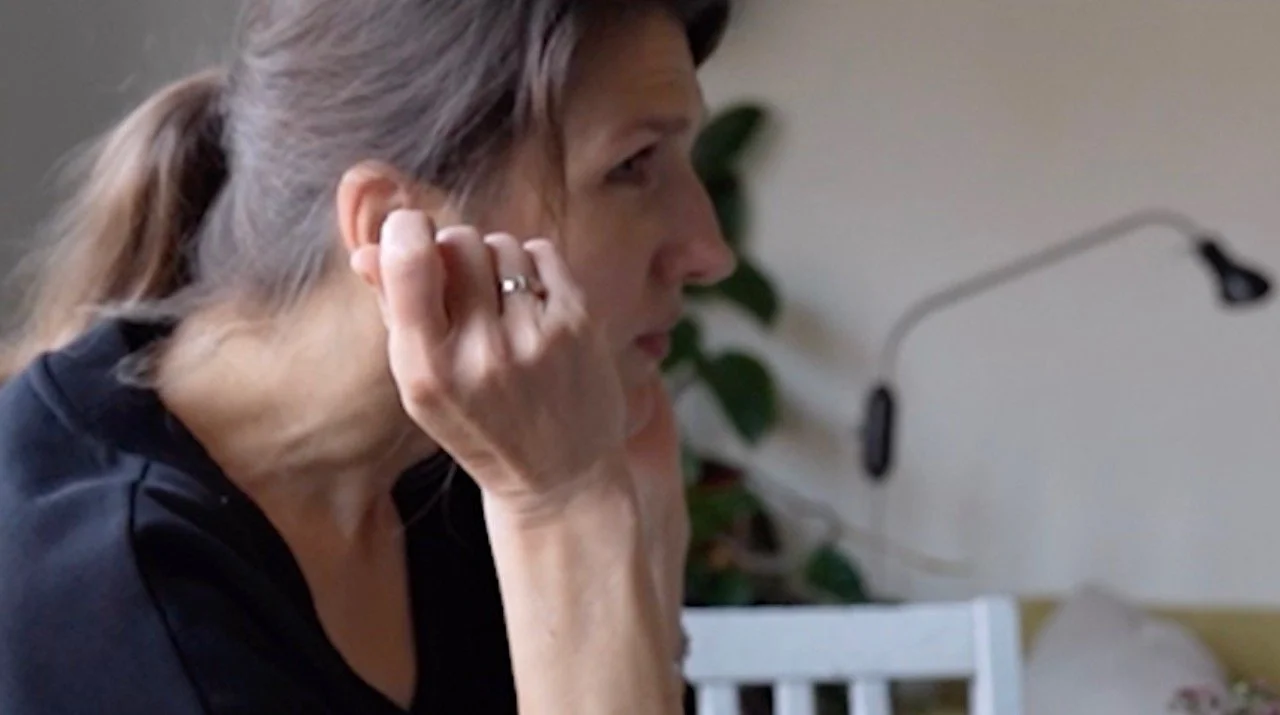
Still from Siri Hammarén’s Is to see, to see, look (2023). Courtesy of Siri Hammarén
Harstad Kino, screen 2.
Following the screening, the artist Siri Hammarén will engage in a conversation about her films with the curators of this programme; Tandi Reason Dahl and Johanne Edvarda.
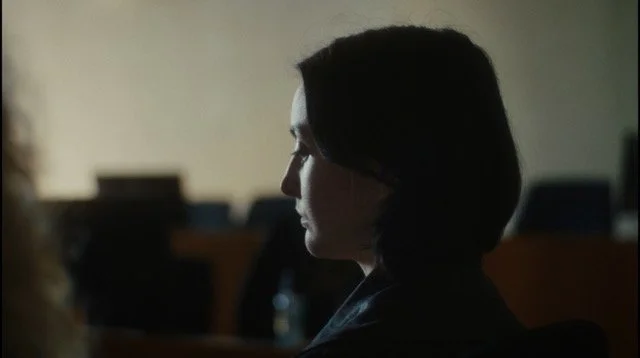
The film program Doublet consists of four short films by Siri Hammarén, Patty Chang, and Gunvor Nelson. In their own distinct ways, the films explore how repetition and translation shape our language and our understanding of it. In the films, language moves between the meaning of words and their delivery.
The voice sometimes appears as something independent or external to the body – a kind of autonomous agent that has taken residence within us. Patty Chang’s Rather to Potenitalities, Part 1 (2009) features excerpts from films that were re-recorded to make them available in languages other than the film’s original language. These films take on a different character, yet the voice remains connected to the body to which it belongs.
Anyone who has tried to learn a new language knows it’s a challenging and vulnerable experience. You can feel like a different person. Speaking can be challenging – things can be misunderstood, or the words that come out of your mouth might come out wrong. On the other hand, teaching someone a language requires both patience and consideration. Translations and attempts to be understood are expressed through gestures around a table in Siri Hammarén’s Is to see, to see, look (2023).
Repetition can be used to emphasize something, but if the repetition is repeated several times, the content may end up seeming abstract or disappearing, as in Nelson’s My Name is Oona (1969) At other times, repetition can create ambivalent shifts between what is told and what is re-told in a different language. In Siri Hammarén’s film Du sagst, dass du auf der Party bleibst, weil es dir Spaß macht (You Say That You’re Staying at the Party Because You’re Having Fun) (2026), the voice is examined as a carrier of testimony. Translated and interpreted by the judicial system, the words drift away from the narrator and become an echo of the events being recounted.
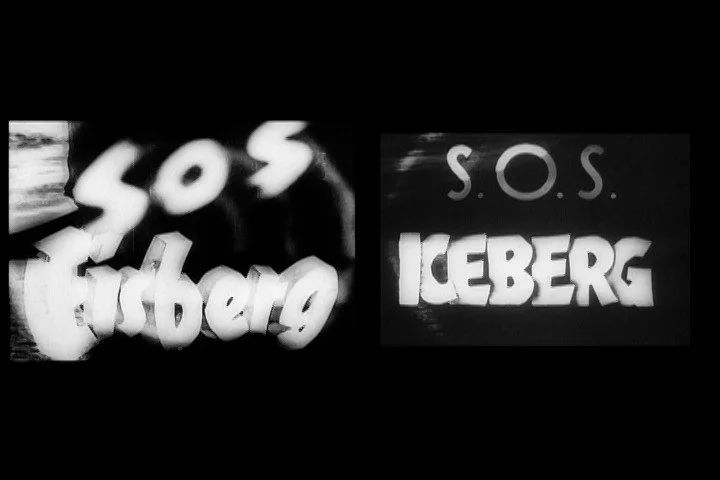
Patty Chang: Rather to Potentialities, Part 1 (2009, 2:47min). Courtesy of Patty Chang
Patty Chang: Rather to Potentialities, Part 1 (2009, 2:47min)
Patty Chang (1972) is a Los Angeles based artist and educator whose practice encompasses performance, video, and installation. Her work is held in the collections of institutions including the Museum of Modern Art (MoMA) and the Solomon R. Guggenheim Museum in New York, Fluentum in Berlin, and Moderna Museet in Stockholm. From the Fluentum Collection on Rather to Potentialities: Between 1928–33, after the invention of sound film but before the perfection of sound dubbing techniques, film studios made films in multiple languages for international distribution. Instead of voice dubbing, studios would successively re-film in each language, often with the same actors—this practice was known as body dubbing. Rather to Potentialities is a video based on the simultaneous viewing of multiple language version films. The source material comes from SOS Iceberg (English) and SOS Eisberg (German). Both film narratives deal with extreme landscapes and the western imaginaries of othered, unknown places. The act of reproducing through translation creates a stuttering echo effect of irresolution that is inherent in any performance that tries to replicate itself, but is unable to do so.
Still from Siri Hammarén’s Is to see, to see, look (2023). Courtesy of Siri Siri Hammarén
Siri Hammarén: Is to see, to see, look (2023, 8:53 minutes)
Two women live together without a shared language. In Is to see, to see, look the communication between the two women both fails and finds ways to go around its limits. Sensitive themes are being treated with big physical movements and sounds rather than words. Movements creates images for what otherwise is difficult to touch upon, in between translations. The work addresses the personal consequences of political displacement as well as limits and possibilities of language and of relating to one another. The rhythm; its gaps, repetitions and cuts (in image and edit) resonate with and build upon the particular grammar of the language between the two women.
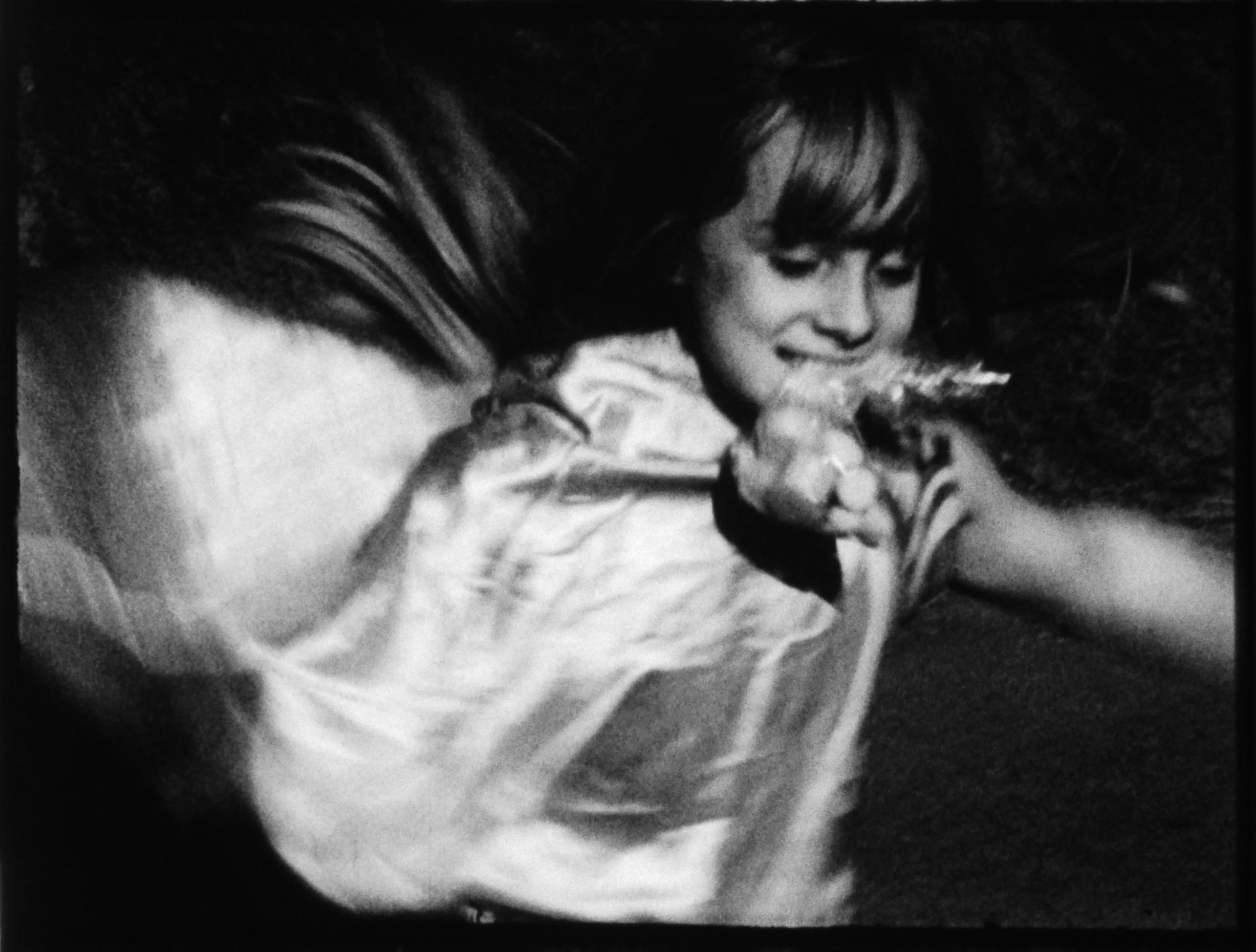
Gunvor Nelson, My Name is Oona (1969, 10 min). Courtesy of Filmform
Gunvor Nelson: My Name is Oona (1969, 9:38 min)
Gunvor Nelson (1931–2025) was a Swedish artist who moved to the United States in the 1950s and became part of the American avant-garde film movement. Nelson started out as a painter, but film and video eventually became her primary medium. She also taught film to students at the San Francisco Art Institute. Often, Nelson turns her camera towards her immediate and intimate surroundings, and sound, image, and editing are interwoven in unexpected ways. As for instance in My Name is Oona, where Nelson captures her own daughter repeating her own name. John Sundholm, a professor of film studies at Stockholm University, says the following about the film: “My Name is Oona was Nelson’s final breakthrough on the American avant-garde film scene. The sound consists of Nelson’s daughter, Oona, repeating the names of the days of the week and of her saying “my name is Oona”. The latter is edited into an expressive rhythmical structure that accompanies the visual structure of the film that plunges into the experience of a child where both bliss and fear reigns. As so often in Nelson’s oeuvre there is a female subtext too: it is male voices that executes their authority upon Oona, whereas as a girl she is still equal to boys of her own age.”
Siri Hammarén: Du sagst, dass du auf der Party bleibst, weil es dir Spaß macht (2026, 27:45 min). Courtesy of Siri Hammarén
Siri Hammarén: Du sagst, dass du auf der Party bleibst, weil es dir Spaß macht (You Say That You’re Staying at the Party Because You’re Having Fun) (2026, 27:45 min)
Siri Hammarén (1999) completed her bachelor degree in Fine Arts at Malmö Art Academy, Sweden in 2024. Since then she has been studying film at HFBK Hamburg as well as at Städelschule, Frankfurt am Main.
A man is washing the staircase. A party is being retold in a court. Du sagst, dass du auf der Party bleibst, weil es dir Spaß macht explores the retelling of a sexual assault through institutional and linguistic filters. In a Danish courtroom, a young woman hears her own testimony spoken by a judge and translated by an interpreter – her story returning to her through two languages and two voices. Du sagst, dass du auf der Party bleibst, weil es dir Spaß macht engages with trauma not by visualizing the violence, but by showing the slow, procedural aftermath – the translation of experience into language. Told in the present tense and second person, the film allows us to inhabit the young woman’s perspective while also emphasizing the alienation of having one’s own story returned through others.
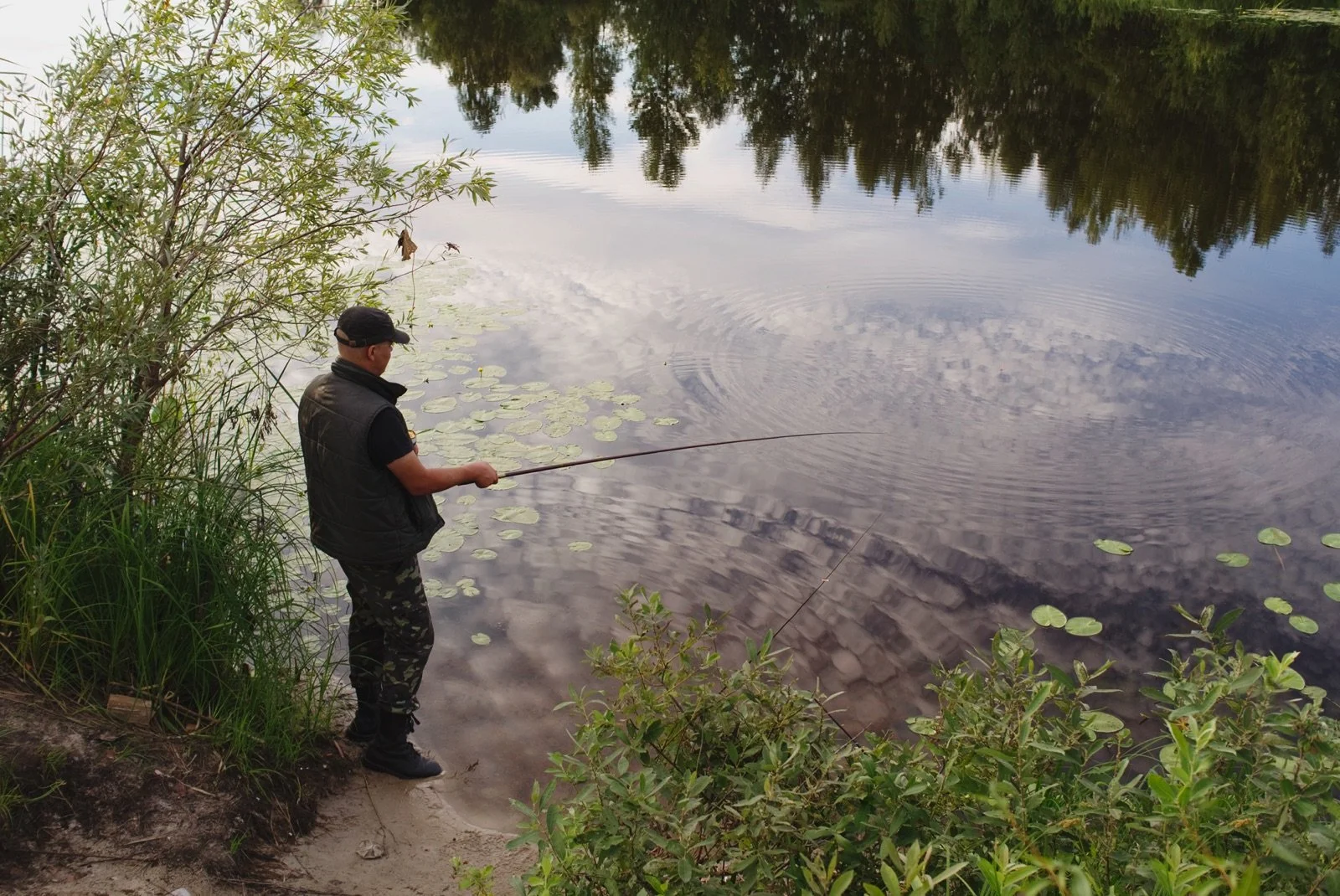
Siri Hermansen: Land of Freedom & Chernobyl Mon Amour
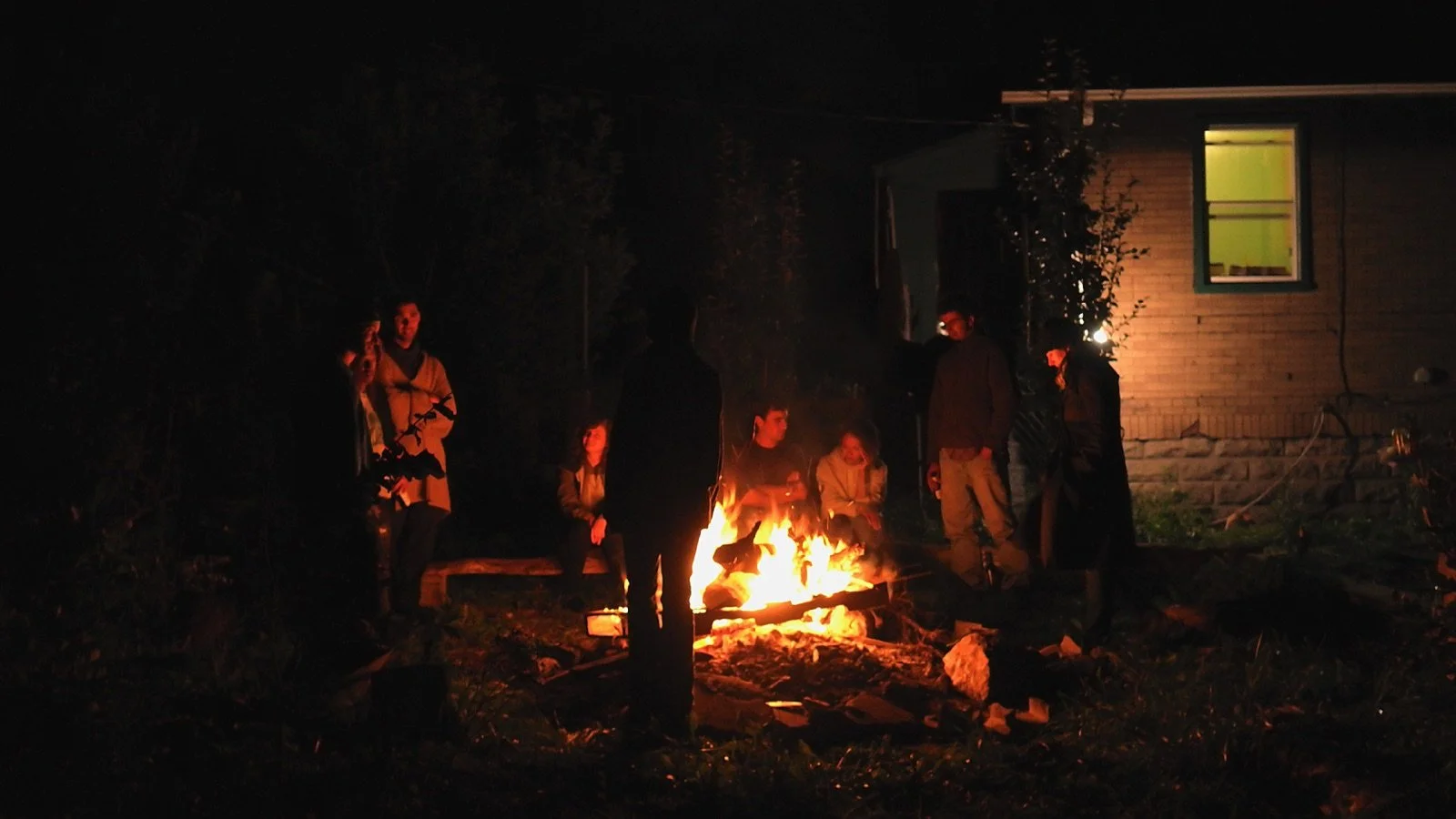
Stillbilde fra Land of Freedom (2013) Siri Hermansen
Harstad Kino, screen 2.
Siri Hermansen and Kjetil Berge will engage in a conversation following the screening. The discussion will be in Norwegian; the film features English-language audio and English subtitles.
Siri Hermansen has been invited by Kjetil Berge, the head curator for AMIFF 2026, to present a retrospective of her work at the festival.
The films featured in this programme are:
Chernobyl Mon Amour (2012, 19 min. 50 sec.)
Land of Freedom (2013, 31 min. 49 sec.)
CHERNOBYL MON AMOUR
Film, photography, installation
2012
“The project zooms in on my meetings with two state-employed guides, Dennis and Maxim. Following their subjective perspectives and relationship to the zone, the project touches on the mysterious ability of both man and nature to adapt to the radioactive air. We discover that paradoxical realities can live side by side in the human body and mind, as well as in nature, and that this in itself is a survival strategy.” Siri Hermansen
LAND OF FREEDOM
Film, photography, installation
2012
Land of Freedom is a film that explores what can grow out of the financial catastrophe that has affected the Motor City, Detroit, over the past decades. The industrial and financial collapse has dramatically changed a city that was once one of the most prosperous cities in the US. Detroit was once a powerful symbol of the success of capitalism and was at the forefront of the development of a Black middle class. In sharp contrast, Detroit today is one of the most economically challenged and underprivileged cities in the US. Crime, poverty, unemployment, and a collapsed health and educational system are evident throughout the city.
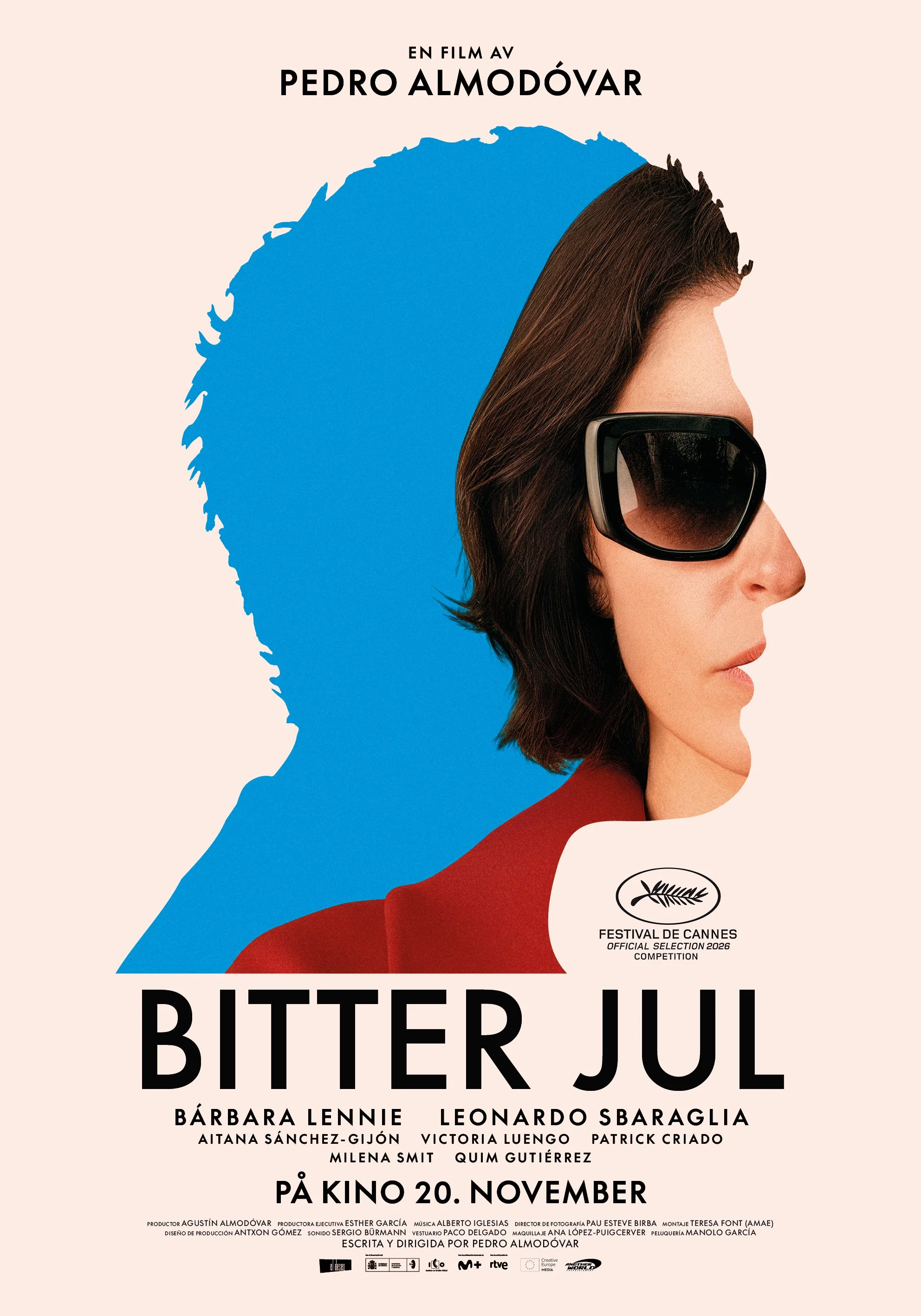
Bitter Christmas
Harstad Kino, screen 2.
In 2004, an ad director faces a turbulent Christmas weekend. In 2026, a filmmaker turns her story into a screenplay, blurring the lines between reality, fiction, and the people closest to him.
Director: Pedro Almodóvar
Writer: Pedro Almodóvar
Stars: Bárbara Lennie, Leonardo Sbaraglia, Aitana Sánchez-Gijón
Age limit: 15 år
Year: 2026
Nationality: Spain
Languate: Spanish
Subtitles: Norwegian
Aanikoobijigan [ancestor / great-grandparent / great-grandchild]
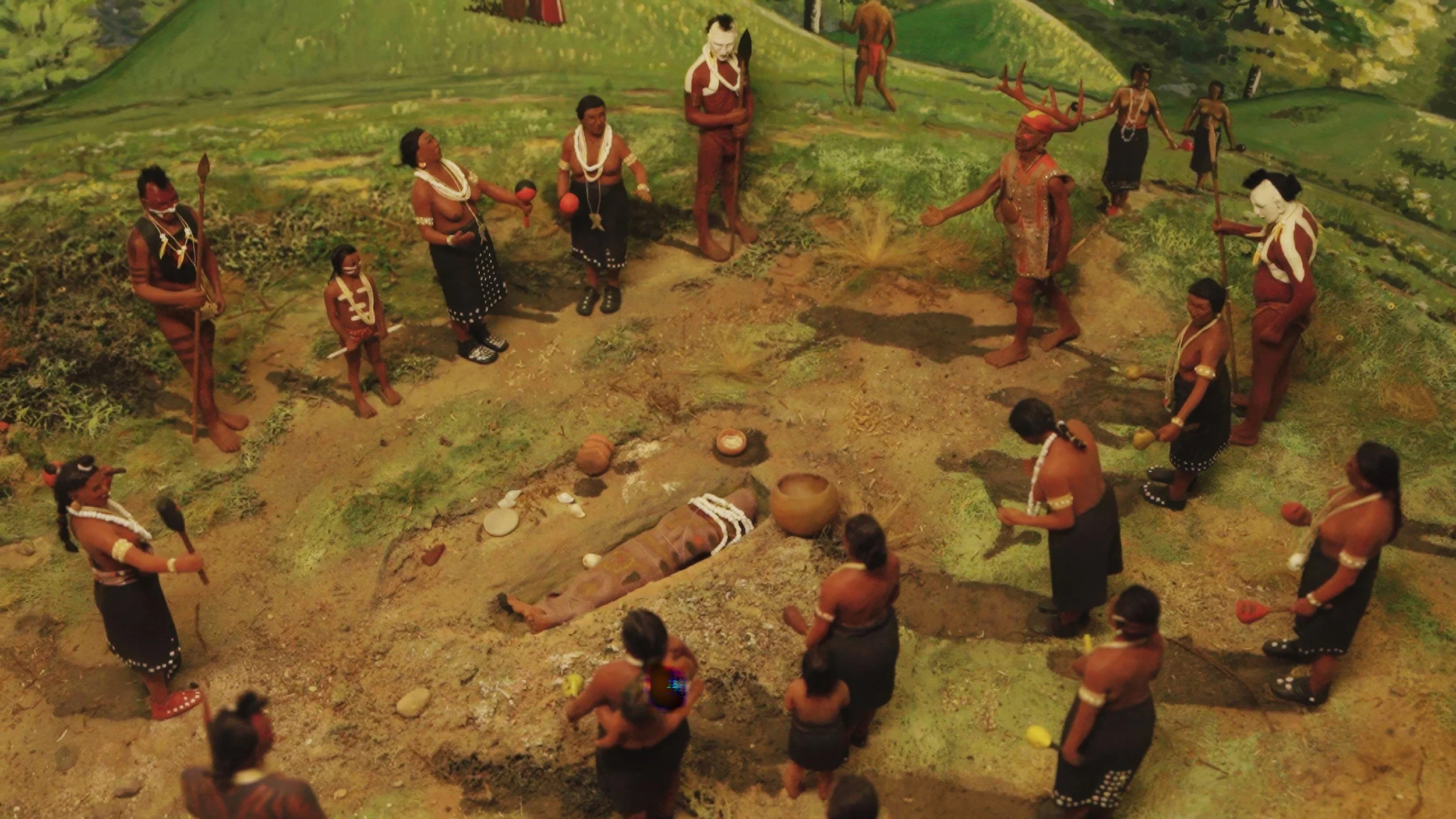
Harstad Kino, screen 2.
In the sterile storage of museums and archives our ancestor’s remains struggle to find their way home. The film follows eleven indigenous repatriation specialists that make up MACPRA (Michigan Anishinaabek Cultural Preservation & Repatriation Alliance) fighting to rebury and return ancestors from settler-colonial libraries, archives, and museums. Through an essayistic approach the film lays bare the history of indigenous collections, the laws passed to ensure return of human remains and funerary objects, and vérité portraits of the righteous and courageous individuals doing the hard and emotionally draining work of bringing our ancestors back home.
The film will be introduced by Abirami Logendran, an Oslo-based curator, critic, and artist. In 2027, she will assume the role of artistic director at Fotogalleriet in Oslo.
Language: Anishinaabemowin, English
Subtitles: English
Runtime: 1h 20m
Genre: Documentary
Country: USA, Denmark
Year: 2026
Director: Adam Khalil, Zack Khalil
Cinematography: Adam Khalil, Zack Khalil
Producer: Steve Holmgren, Adam Khalil, Zack Khalil, Grace Remington, Jacque Clark, Franny Alfano
Age limit: 15
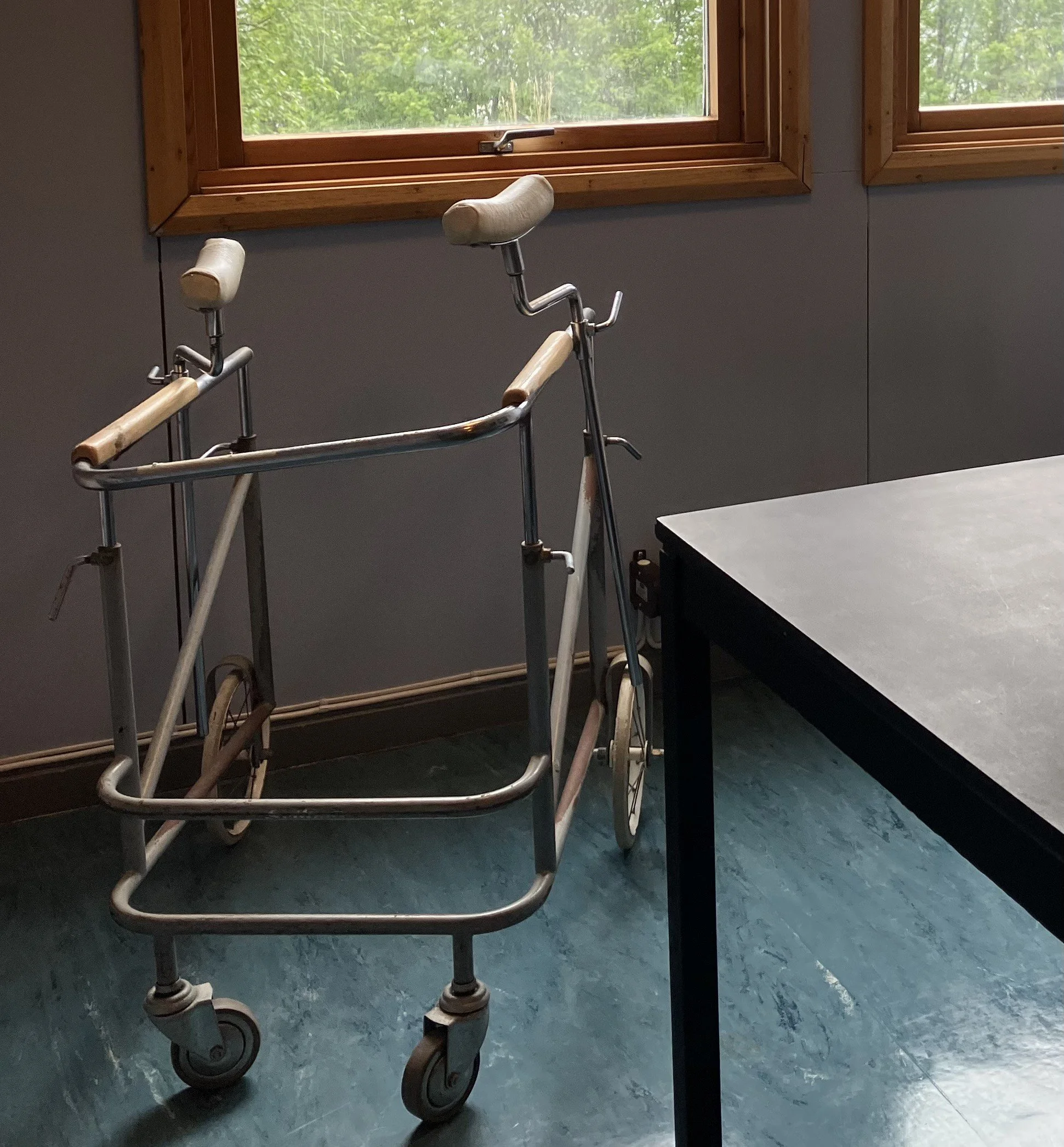
#D A B L E D
From Trasted Samlinger, National Centre for Outsider Art. Photo: Bjørn Hatterud
Trondenes kirke (Trondenes church)
#D A B L E D is a sound and text-based work by Bjørn Hatterud.
The piece begins with Hatterud’s visit to the Trastad Collections—formerly the Northern Norway Home for the Mentally Disabled—which brought back memories of traumatic experiences he himself endured in hospitals and institutions as a child. The work explores life as a man with a limp, and examines how "different" bodies are viewed, evaluated, and perceived—or forgotten.
Often, disabled people are those whom we never see or hear from.
Featuring: Maria-Daniela Raasch, organist at Trondenes Church.
Curator: Kjetil Berge.
#D A B L E D is a commissioned work created specifically for the Arctic Moving Image & Film Festival (AMIFF) 2026.
The audience is invited to attend an artist talk featuring the participants at Trondenes Church, immediately following the performance, from 13:00 to 13:30.
The café at the Trondenes Historical Centre will be open from 11:00 to 15:00 on this day.
Please note that an author talk—a "book bath"—with Bjørn Hatterud regarding his new book, Far levde, og så var han død ("Father Was Alive, and Then He Was Dead"), will be held at the Harstad Library on Wednesday, November 18, at 18:00. The discussion will be moderated by literary scholar and Associate Professor Ingri Løkholm Ramberg.
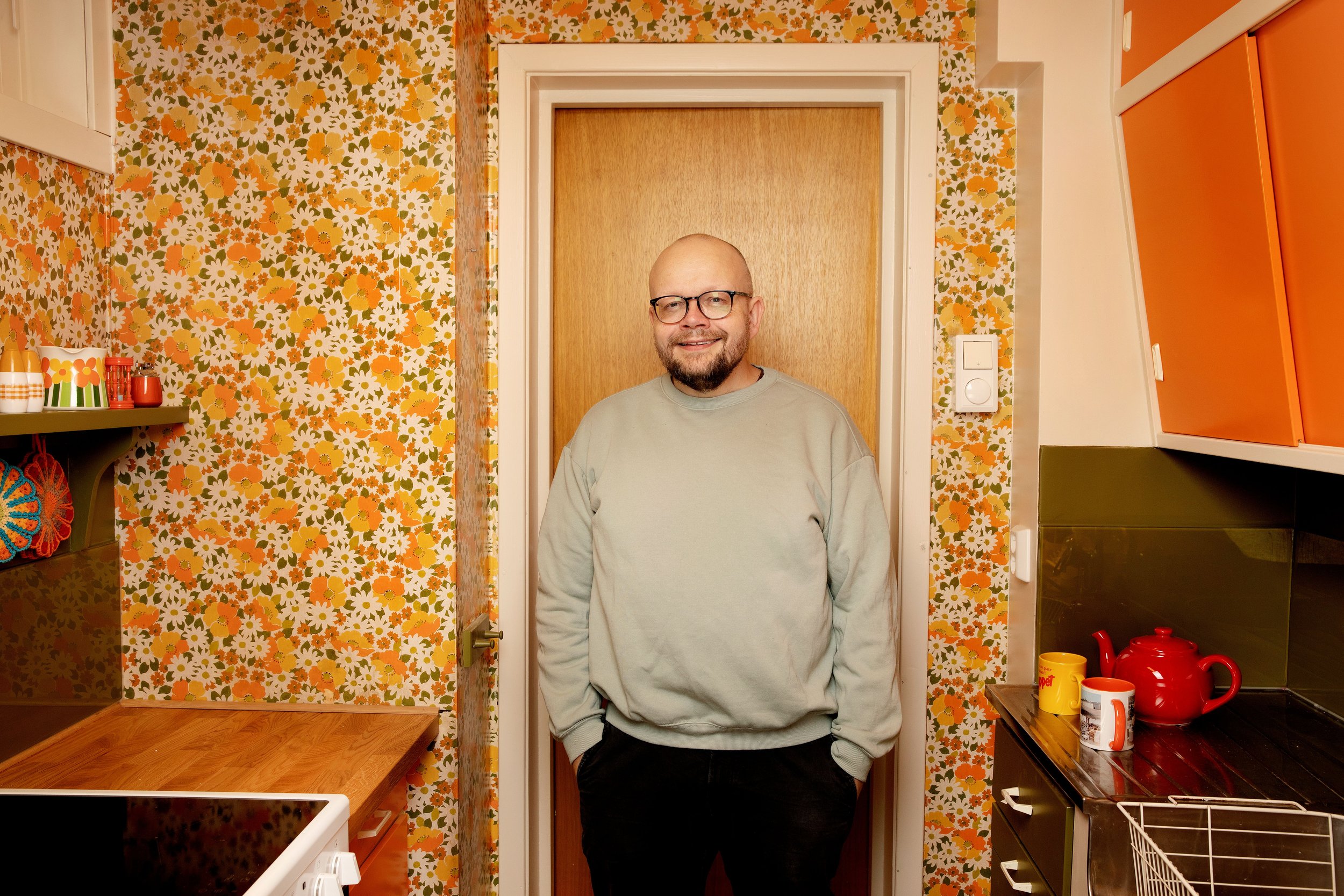
Bjørn Hatterud. Photo: Agnete Bruun.
Bjørn Hatterud (b. 1977) hails from the village of Veldre in the municipality of Ringsaker. He is a cultural commentator, art critic, curator, and musician—he also creates noise music—and serves as a member of the Norwegian Broadcasting Council. His previous publications include Mot normalt (2018), Mjøsa rundt med mor (2020), and Blokka på Bjerke (2023). In Mjøsa rundt med mor, Hatterud describes his life as a gay man with a disability, rooted in a rural working-class background. The book won many hearts and was awarded the Critics' Prize. Hatterud has also received the Critics' Prize, the Library Literature Prize, and the Fritt Ord Prize.
In the autumn of 2026, Hatterud will release a new book: Far levde, og så var han død.
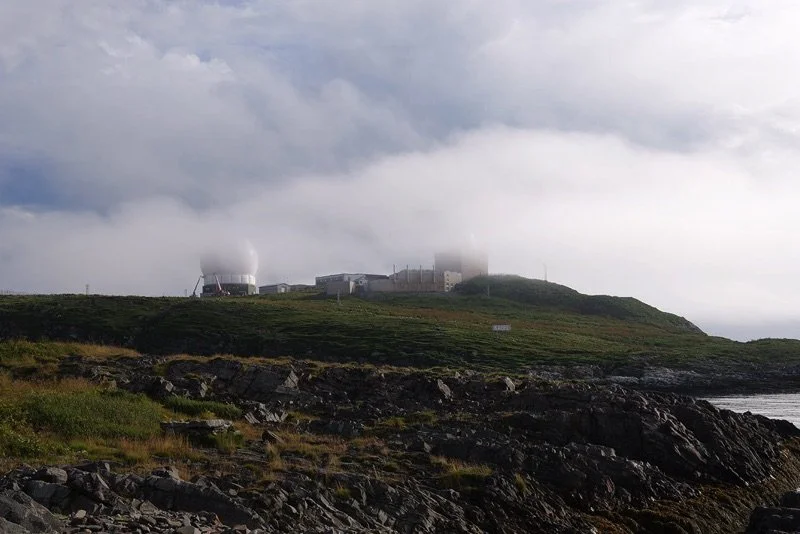
Siri Hermansen: Scar Formations
Scar Formations (2026, Siri Hermansen, 41 min.)
Harstad Kino, screen 1.
After the screening artist Siri Hermansen will be in conversation with Marianne Neerland Soleim, Professor of Modern History at UiT The Arctic University of Norway. The convrsation is led by Hanne Hammer Stien, Professor of Art History at UiT.
The discussion will be in Norwegian. The film features English subtitles.
Kjetil Berge, the lead curator for AMIFF 2026, presents a retrospective of the work by Siri Hermansen at the festival.
About Scar Formations (2026, Siri Hermansen, 41 min.)
Geopolitical instability and the changing security situation in Europe have reactivated the militarized landscapes along the border between Norway and Russia. At the same time, personal and collective memories of the Second World War and the Cold War have acquired renewed political significance.
Scar Formations investigates how historical events continue to shape contemporary society, and how memories of war, resistance, liberation and political betrayal are preserved, contested and reinterpreted across generations.
The project takes its point of departure in Eastern Finnmark, a region where the consequences of the Second World War and the Cold War remain deeply embedded in both the landscape and collective memory.
Tromsø Kunstforening presents
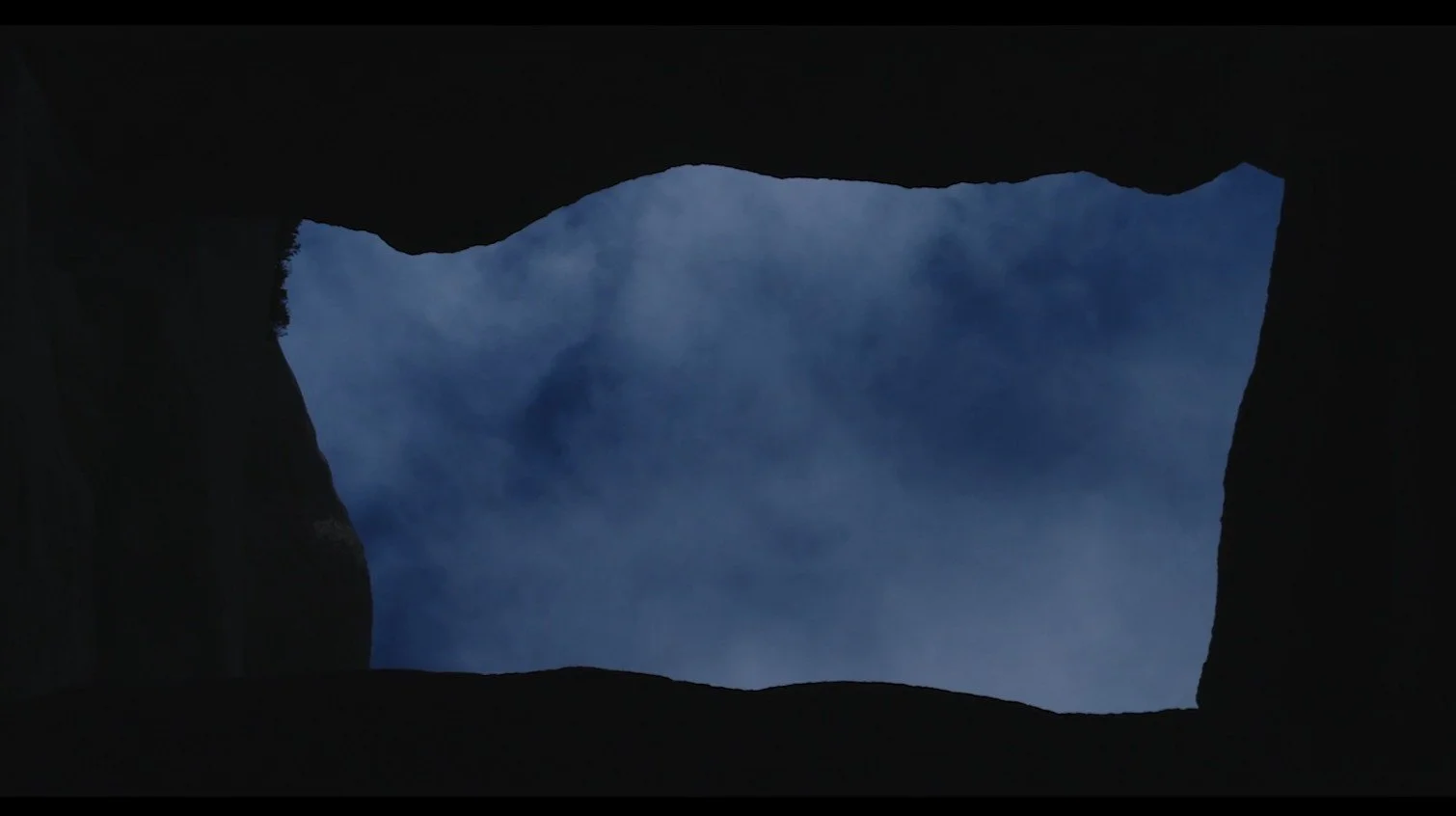
Still from Entomologen by Sirin Sponga
Harstad Kino, screen 2
This film programme is curated by Ruth Aitken and Camilla Fagerli at Tromsø Kunstforening. Because they are about to loose their venue they are not able to attend the festival. Curator Abirami Logendran will be in conversation with artist Sirin Sponga. (The conversation will be in English if there are non-Norwegian speakers in the audience. All the films are texted in English or spoken in English langauge).
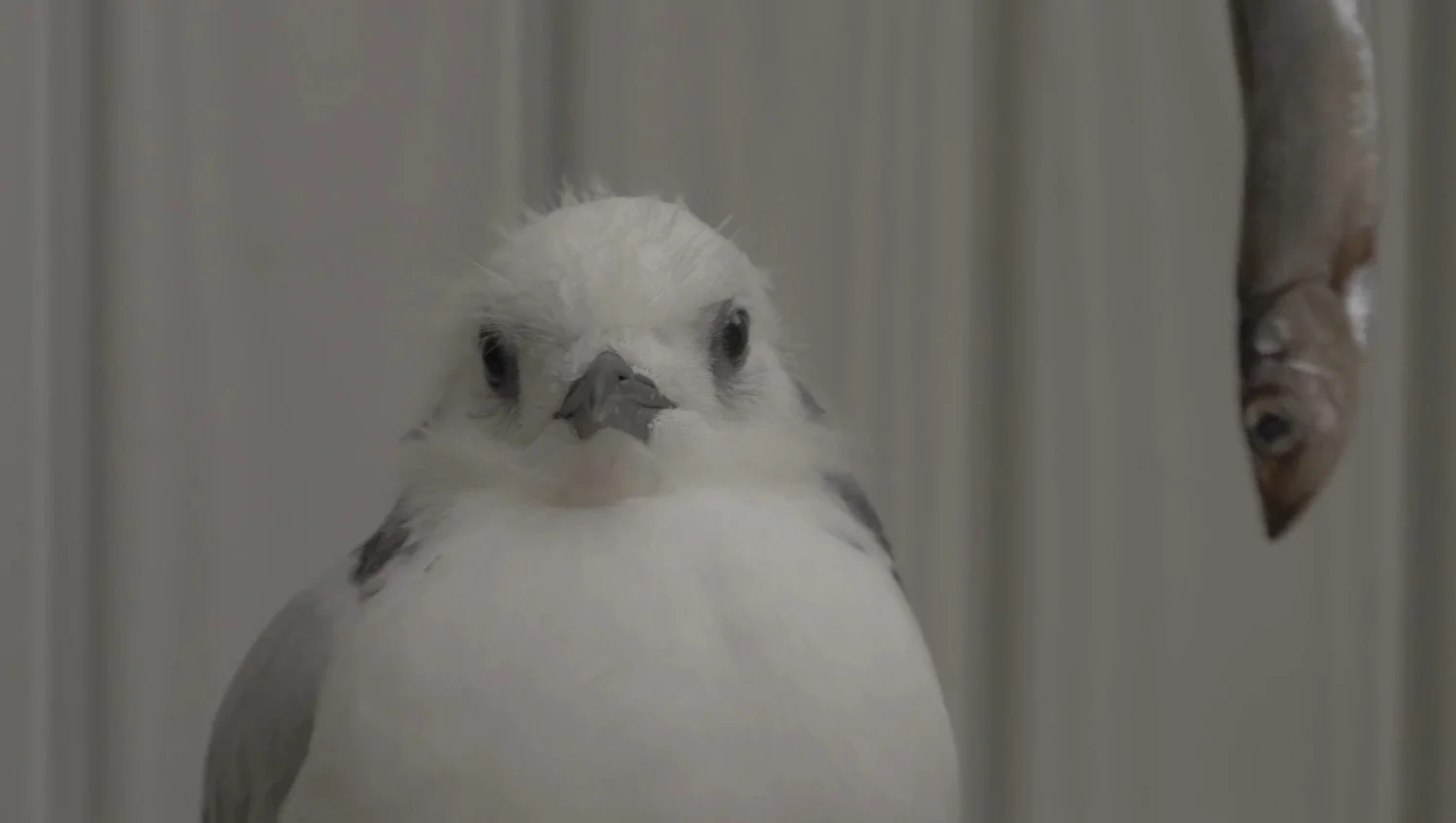
“The selection aimed to focus on our natural 'neighbours' and grows out a bit from our project Jeg elsker måse, which focused on coexistence with threatened seagulls and birds. Particularly looking at the kittiwake, it responded to an urban, social and political landscape that demanded that there should be no impact or sign of the birds that were suddenly migrating into urban environments due to environmental constraints caused by climate change. A large part of the complaint was the noise of the kittiwakes (clearly present in Asfalt). The programme picks up on the themes of coexistence and explores how we live with the animals around us–particularly those which have historically been regarded as unwelcome, disliked, or even disgusting.”
Camilla Fagerli and Ruth Aitken
Asfalt, Irene Kaltenborn, (2022), 17:30
Asfalt is the story about a kittiwake falling out of its mothers nest and into the hands of human care. Through a chronological order we follow the bird as it grows up to master the act of flying in an environment it does not belong to. The hands tells a tale of hope, responsibility and care, while the claustrophobic scenes of the bird on the veranda tells a tale of melancholy and loneliness.
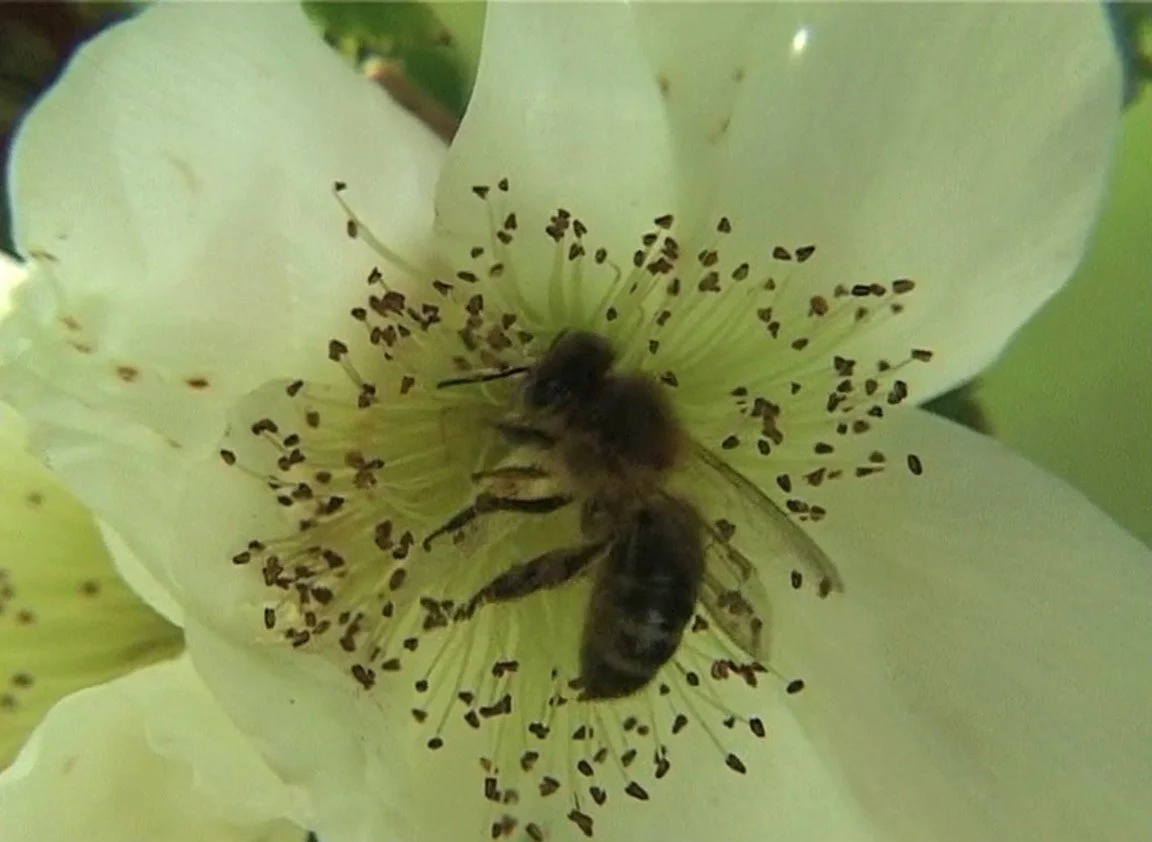
Bee, Eva Bakkeslett, (2007) 20:05
Bee is a film that gently reveals the hidden life of bees, showing how nature combines minimal effort with maximum grace. It offers a glimpse into the magic and delicate balance of the bee community, reminding us that attraction is a fundamental organising force of the universe. At a time when bee populations are under threat, what could be more poignant than paying attention to the lessons they offer humanity.
The film features the late Brian Goodwin, former Professor of Biology at Schumacher College in Devon, UK, and author of several books on holistic science. He shares his knowledge, passion, and insight into the relationship between nature and culture, and the subtle workings of the natural world often overlooked by modern science. We also meet experienced beekeeper Glyn Davies (Devon, UK), who generously shares wisdom drawn from over 40 years of beekeeping.
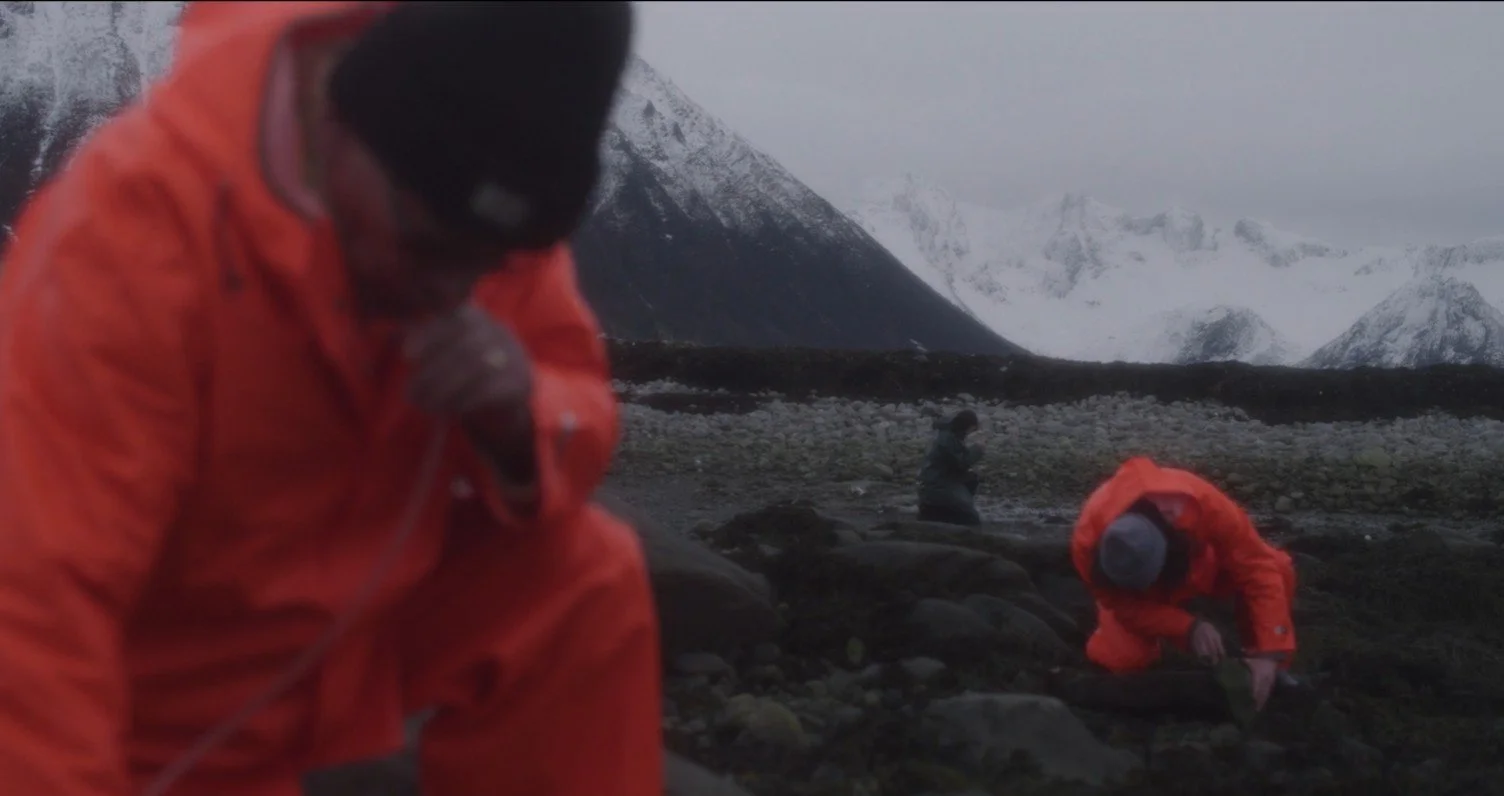
Entomologen, Sirin Sponga, (2026), 14:16
A shift in perspective occurs when an entomologist on a field trip finds a talking insect. The insect talks about what it’s like to live under a rock, inside an egg, in a confined space. And. It talks about something invasive, something scientific, a report.
It seems as if nature is changing, and, the insect is growing in size.
Rose
Harstad Kino, screen 1.
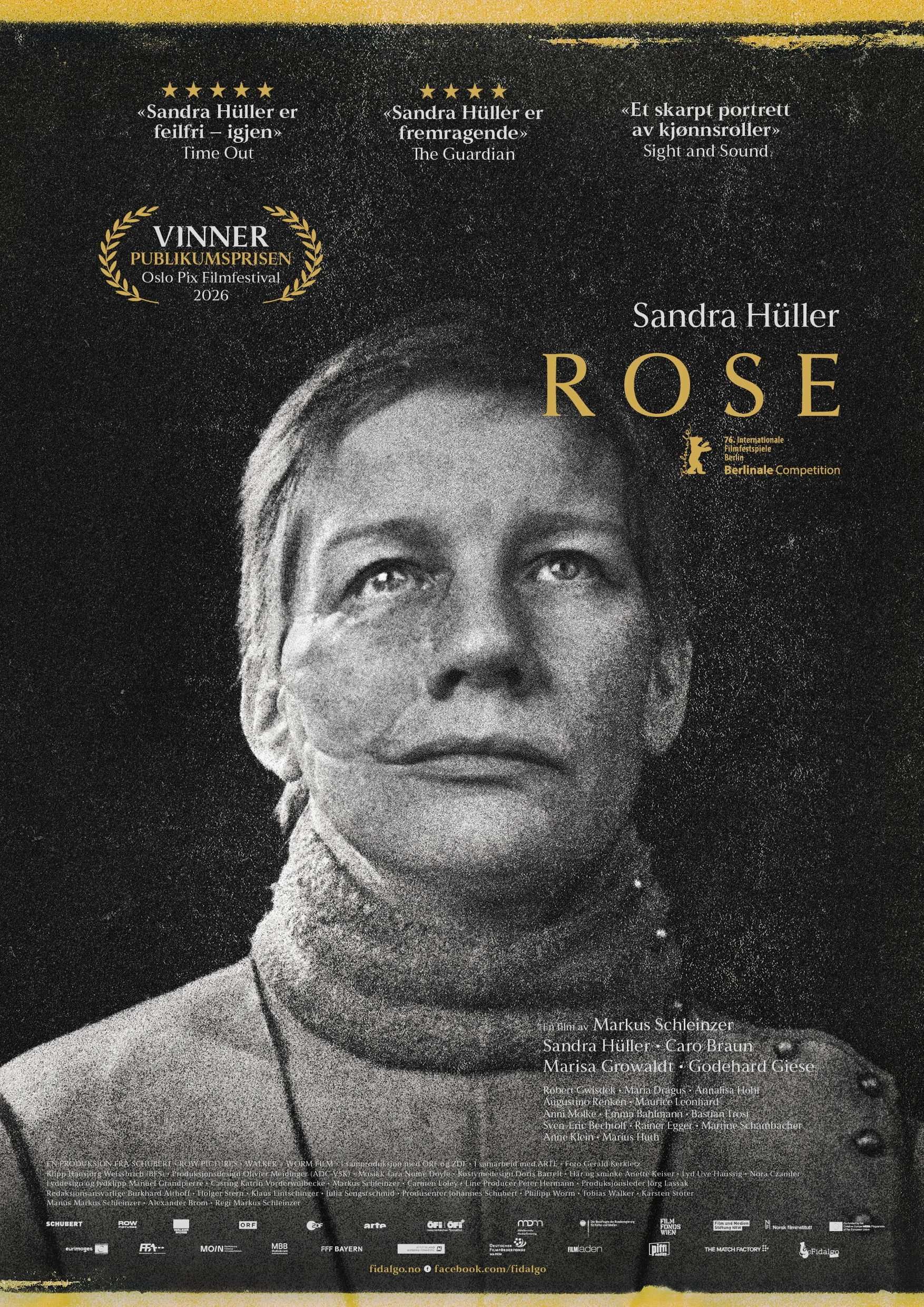
Set shortly after the Thirty Years' War, the film centres on Rose, a soldier who arrives in a remote Protestant village claiming to be the missing heir to a neglected estate. Although Rose presents documents to support the claim, the villagers respond with caution and suspicion. Seeking stability and a place to belong, Rose attempts to integrate into the wary community. Yet Rose's identity is built on deception: the name is assumed, and the soldier's true gender is hidden. As Rose pursues acceptance, the plan extends to considering an arranged marriage with Suzanna, the daughter of a leading local farmer, revealing the lengths Rose is willing to go to secure a future.
Sandra Hüller won the Silver Bear for best actress at the Berlinale 2026 for her role in the film.
Language: German (Norwegian subtitles)
Dir: Markus Schleinzer
Year: 2026
Actors: Sandra Hüller, Caro Braun, Marisa Growaldt, Godehard Giese, Robert Gwisdek
Drama
1 t. 33 min.
Nationality: Germany / Austria
Age limit: 12 år
Production: Schubert Füm, ROW Pictures, Walker & Worm Film
Sámi rave / iDJa / AMIFF After Party
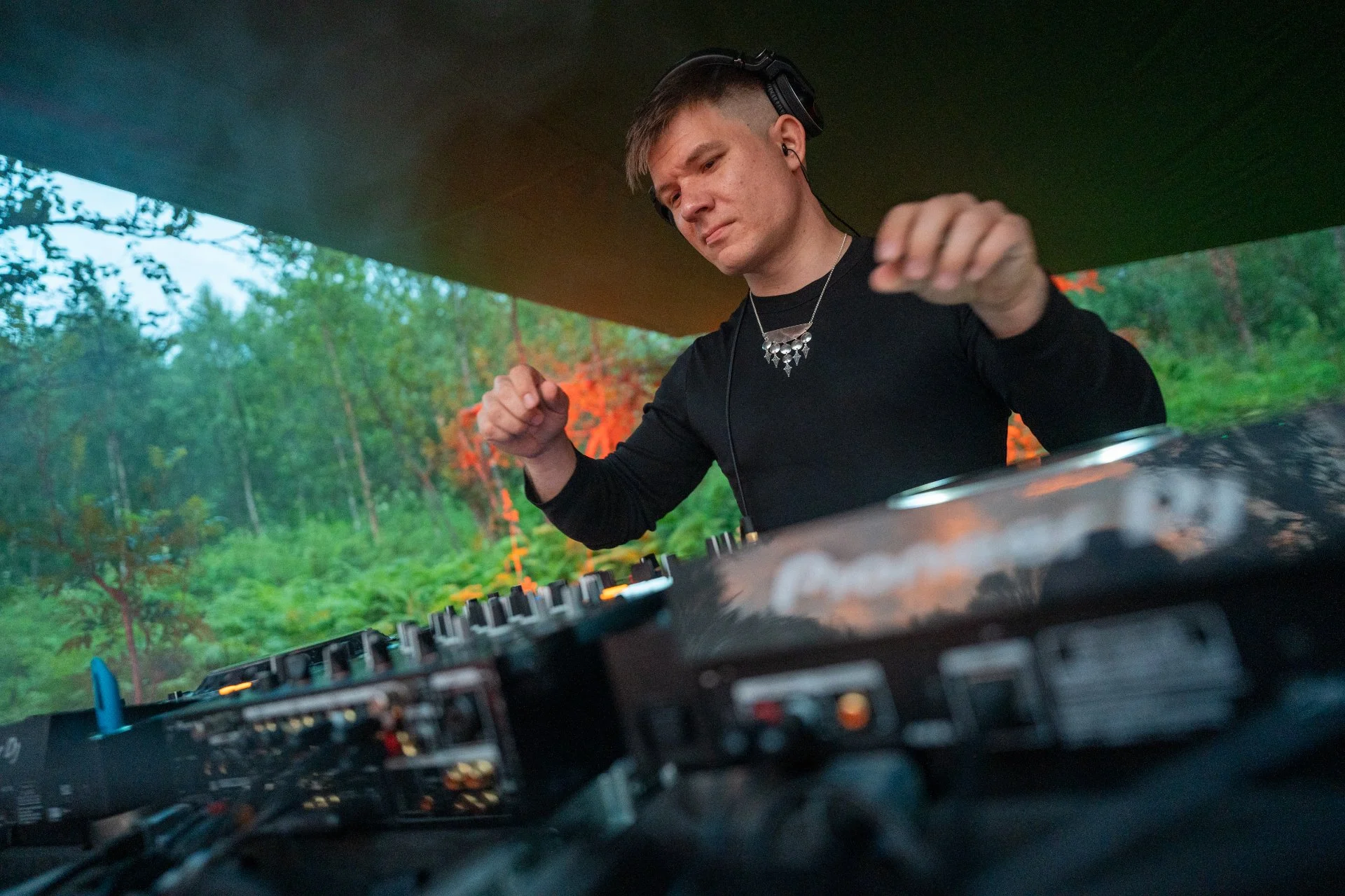
We’re repeating last year’s success: A Sámi rave and AMIFF After Party at Utheim bar! (2nd floor).
iDJa starts playing at midnight (24:00).
Admission is FREE!
In collaboration with the Sámi music festival Márkomeannu, we present iDJa.
Get ready to wrap up your Saturday at the Arctic Moving Image & Film Festival (AMIFF) with a bang as iDJa sets Utheim on fire!
iDJa, also known as Markus Johnsen Thonhaugen, is a Sámi electronic artist and producer from Helgeland in Northern Norway. His music combines club music, ambient soundscapes, joik, Sámi language, field recordings and experimental sound design. Drawing on nature, Sámi culture and his time in Berlin's electronic music scene, iDJa creates work that moves between dancefloor energy and slower, more reflective listening spaces.
Among his projects are the club-oriented EP Klubbas, the ambient EP Šuvva, as well as several singles and albums. His work often explores themes such as identity, nature, land rights, and climate change. He has performed on stages and at festivals in Sápmi, Berlin, Prague, Kathmandu, and Stockholm, and has been featured in German electronic music media such as FAZEmag, Tonspion, and Musikblog. FAZEmag gave Klubbas 8/10 and Šuvva 9/10. In 2024, he reached the semifinals of Norway's Got Talent together with Ramona Linnea.
He has studied Electronic Music Production & Performance at Catalyst Institute in Berlin and holds an MBA in Strategy and Leadership from Nord University in Bodø. He is studying North Sámi in his spare time and has a professional background in journalism and communication.
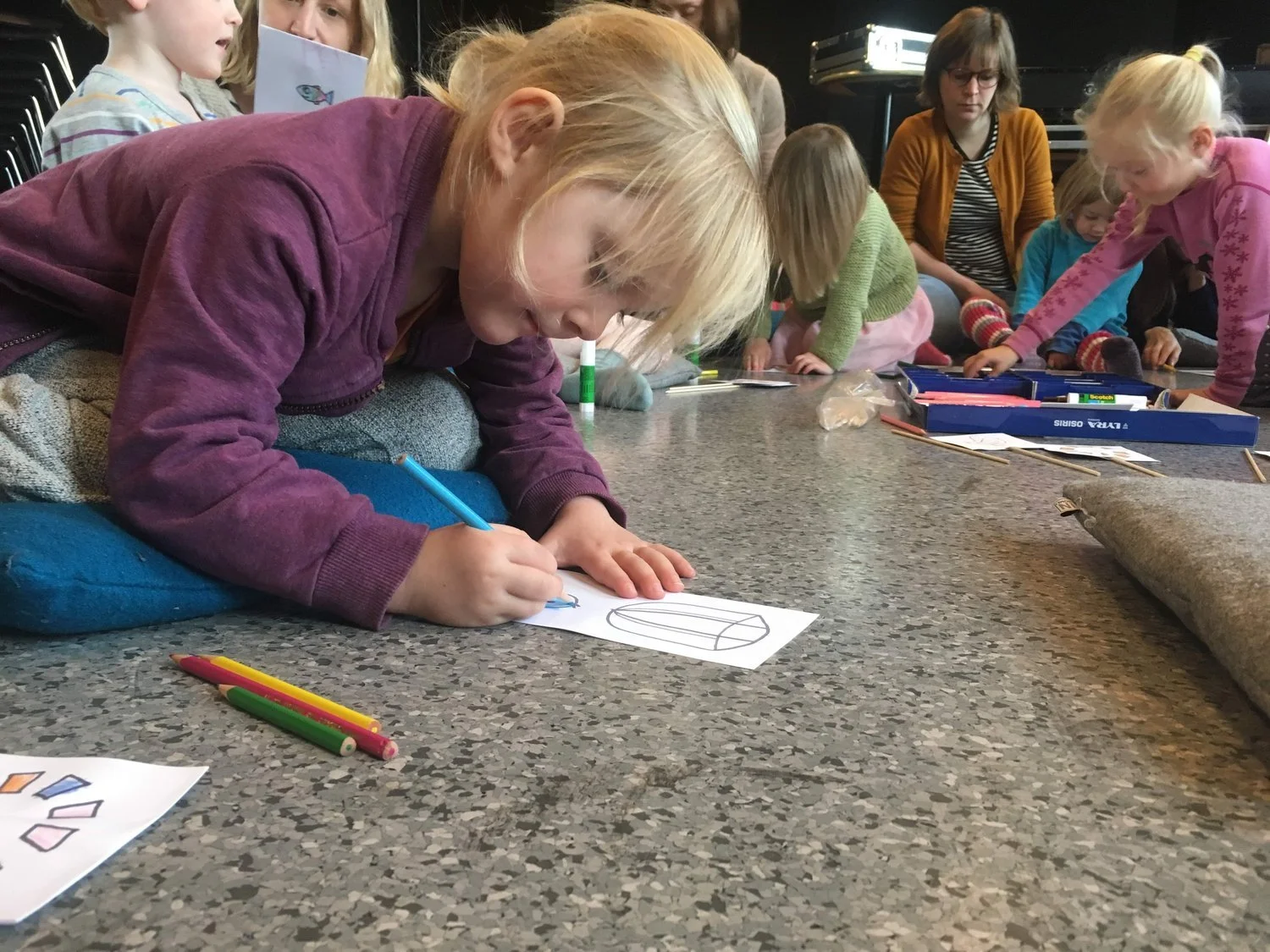
Art Workshop for Children
Dora’s Kunstkoffert (art suitcase) at Arctic Moving Image & Film Festival!
Art workshop for children aged 2 - 5 years.
The experienced workshop leader, artist Dora Galveia, will take the children and their parents on an exciting journey in artistic expression related to film.
Max 10 children.
Guardians must be with the children.
Free, but registration required by email directly to Dora Galveia, here.
Location: Harstad Kino, foyer
Jyoti Mistry: The God That Destroys & Cause of Death
The God That Destroys. Courtesy: sixpackfilm
Harstad Kino, screen 2
This film programme is curated by Abirami Logendran. Logendran will be in conversation with Jjoti Mistry after the screeing. (The conversation will be in English and the films are in English language without subtitles)
Jyoti Mistry
Born in Durban, South Africa in 1970, she works with film as an interplay between cinematic traditions and installation art. Her films have screened at festivals including Toronto, Winterthur, Rotterdam and Durban and in exhibitions at Kunsthaus Zürich, Museum der Moderne Salzburg and Kunsthalle Wien. She has been artist in residence at the Netherlands Film Academy in Amsterdam and the California College of the Arts in San Francisco and was a member of the International Short Film Jury at the 68th Berlinale. She is currently professor for film at the University of Gothenburg.
Films: The God That Destroys (2026), Loving in Between (2023), Cause of Death (2020), When I Grow Up I Want to Be a Black Man (2017), Impunity (2014), 09:21:25 (2011), Le Boeuf Sur Le Toit (2010), I mike what I like (2006), We remember differently (2004)
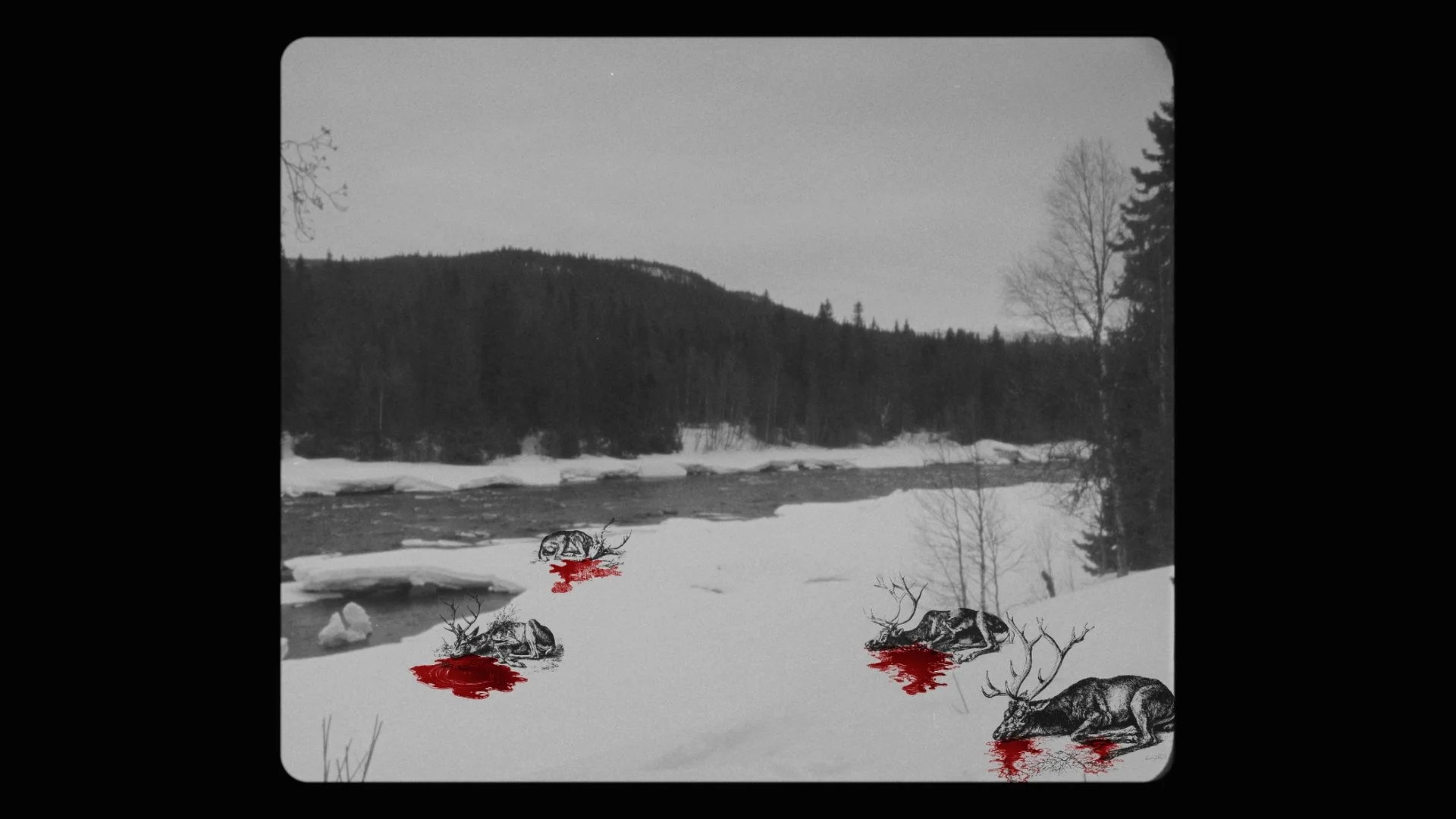
The God That Destroys. Courtesy of sixpackfilm
The God That Destroys, (2026), 17:00
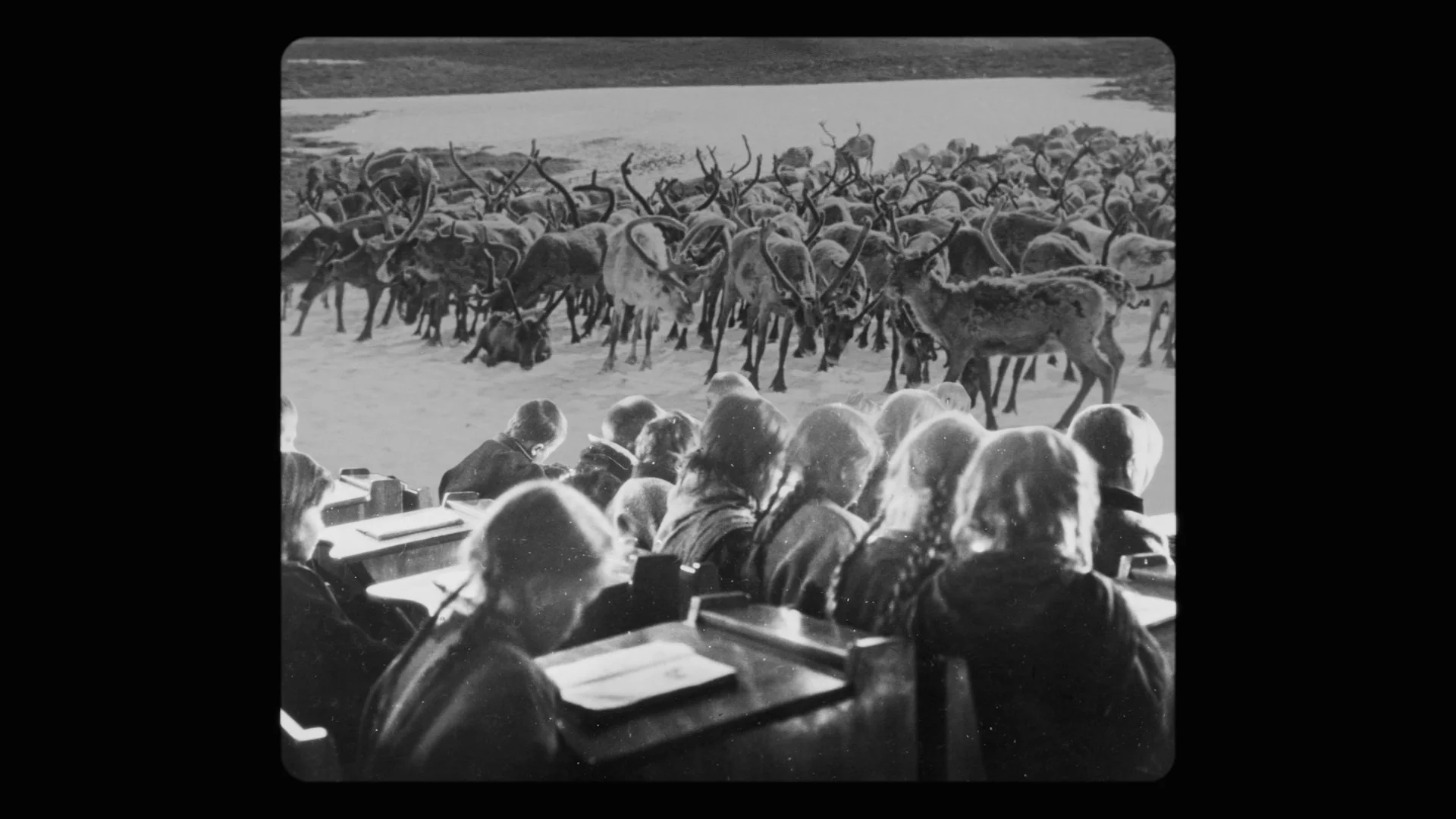
The God That Destroys looks at the legacy of Swedish colonialisation of the Sámi people as an ever-perpetuating cycle of forced assimilation, cultural oppression and extractivist exploitation. Jyoti Mistry uses archival sources from the first half of the 20th century, newly shot 16mm footage that mimics the archive and animation to create a tapestry that intertwines Sámi cosmology with commentary on capitalist destruction. The story is told by the Siren of the Future, performed by Sara Ajnnak through traditional Sámi yoik and voice over as well as original songs performed by the Gothenburg Opera´s Children´s Choir.
This film is not an exploration of Sámi cultural identity but comes from a position of solidarity and shared experiences that Jyoti Mistry brings from her own experience of growing up in and being schooled during apartheid South Africa. By introducing an outsider´s perspective to this history as well as putting this legacy of oppression into a bigger global colonial context, the film is a comment on the cyclic nature of exploitation. (Director's Statement)
Cause of Death, Jyoti Mistry, (2020) 20:00
Women’s bodies are always at risk. An autopsy report describes the physical impact on the body that results in death but hides the structural and recurrent violence on women’s bodies that leads to femicide. Through archival film footage, animation and spoken word poetry an experience of structural violence against women is exposed. (Berlinale catalogue 2020)
Siri Hermansen: Terra Nullius
Harstad Kino, screen 2.
Artist Siri Hermansen and Erle Bårdsdatter Sæther, director of the Sami festival Riddu Riđđu, will be in conversation with Hanne Hammer Stien, Professor of Art History at UiT, following the screening. The conversation will be in Norwegian, and the film is subtitled in English.
Siri Hermansen has been invited by Kjetil Berge, the head curator for AMIFF 2026, to present a retrospective of her work at the festival.
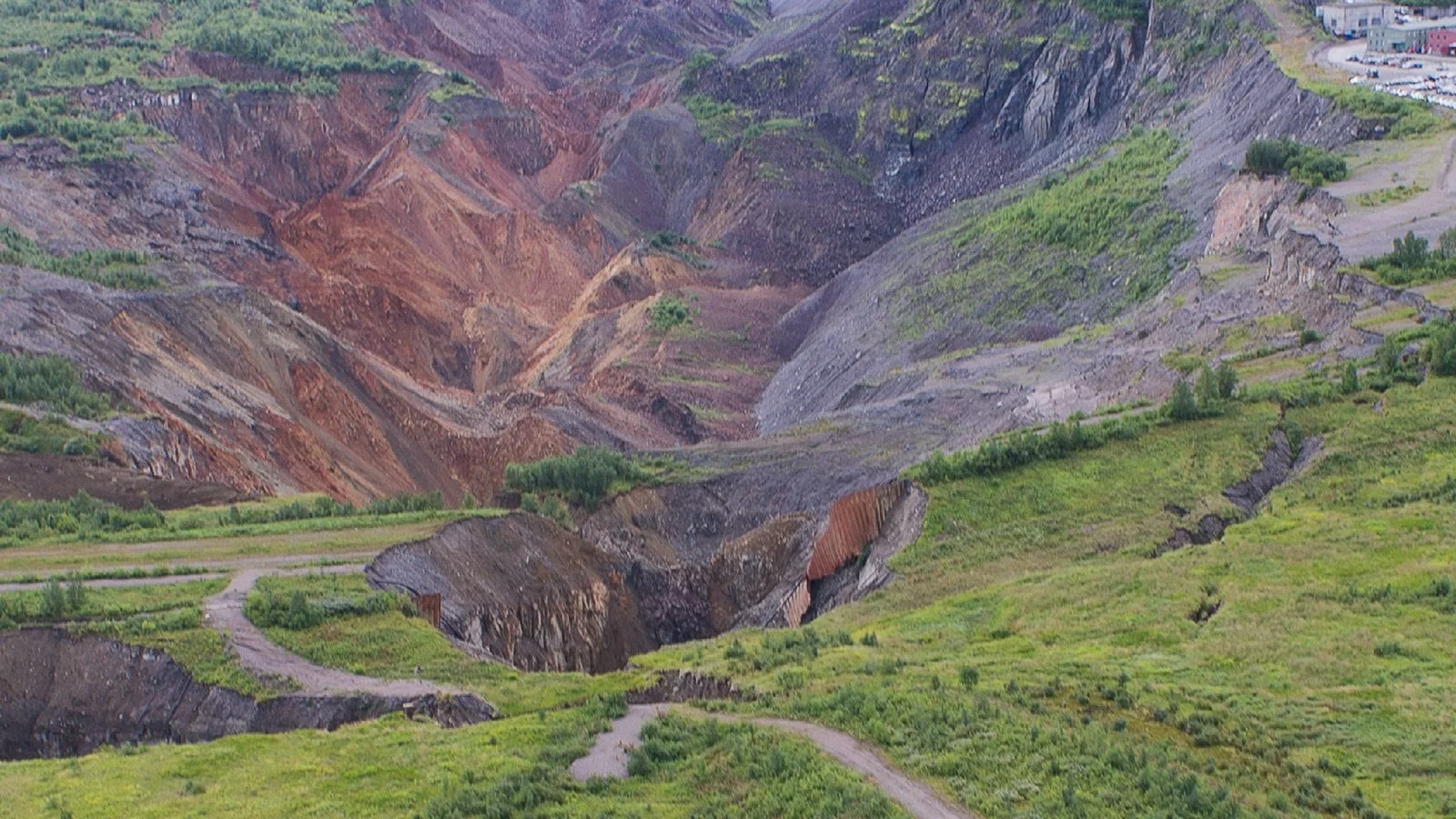
Terra Nullius (2014, 18:31) focuses on the ongoing conflict between the mining industry and the Saami’s right to their land. Through microstudies and participant observation Hermansen’s takes her point of departure in the mining community of Kiruna and the surrounding Sami areas in northernmost Sweden, located between the mountains Luossavaara and Kiirunavaara.
Kiruna is Sweden's largest municipality in terms of area and Kiruna iron mine, owned by LKAB, is the largest in the world. The oldest part of the city is a forbidden area because of cracks in the ground resulting from the mining. In 2007 it was decided that large parts of the city should be moved an rebuilt elsewhere, with LKAB paying the tab.
The Sami have inhabited the region for over two thousand years. Their settlement sites and traditional lifestyle based on reindeer herding stand in sharp contrast to the mining companies' interest in the area. Most importantly their reindeer pastures and migration routes have been damaged, but also sacrificial sites are destroyed as a result of the mining industry. Today, many areas are off limits due to landslides.
Mattias Åhrén, Professor of Law at the University of Tromsø in Norway, state that the legal protection of indigenous people is weaker in Scandinavia than in most other industrialized countries. In 2012 Scandinavian Resources Limited and its subsidiaries Scandinavian Resources Ltd and Kiruna Iron AB were acquired by the Australian company Hannans Reward Ltd. gaining access to copper and gold deposits in Sweden and Norway. Damien Hicks, director of Hannans Reward describes how easy it is to establish mining in Sweden primarily because of the free availability of mineral databases.
The exhibition consists of two films and a series of photographs depicting the costs involved in the clash between economic, environmental, social and cultural value systems. In one of the films Professor Åhrén characterizes the situation in Sweden and Norway as "colonization in its absolute purest form." When talking about colonialism the term terra nullius is often used, a no-mans-land of sorts. This does not mean that an area is not inhabited but rather that no one inhabits the area in legal terms. During colonial times America and Australia were for example described as terrae nullius – the indigenous people did not behave in the same way as Europeans therefore they lacked legal and political rights. In Sweden and Norway, the Sami have property rights to the land under the law, but the problem is, according to Professor Åhrén, that the law is not applied.

Films from AMIFF Film Course
Harstad Kino, screen 2.
In early October, the very first AMIFF film workshop for the residents of Harstad took place. Artist Magnus Holmen traveled by boat from Tromsø to lead a wonderful three-day weekend course. The workshop was fully booked, and everyone was absolutely delighted.
Now, you have the chance to see work created by the film course participants! It’s going to be exciting! See Harstad on the big screen—perhaps you, too, will be inspired to capture what you see around you on film?